By
Christene Kidd
2/2/26
•
5 min

So your cat is purring like a tiny engine, eh?
And sometimes it does.
But after ten years of sitting cats, from anxious babes to bombastic seniors, I can tell you that purring is a complex component of feline language. It does not express a singular mood.
And if you know how to assess context, purring will tell all.
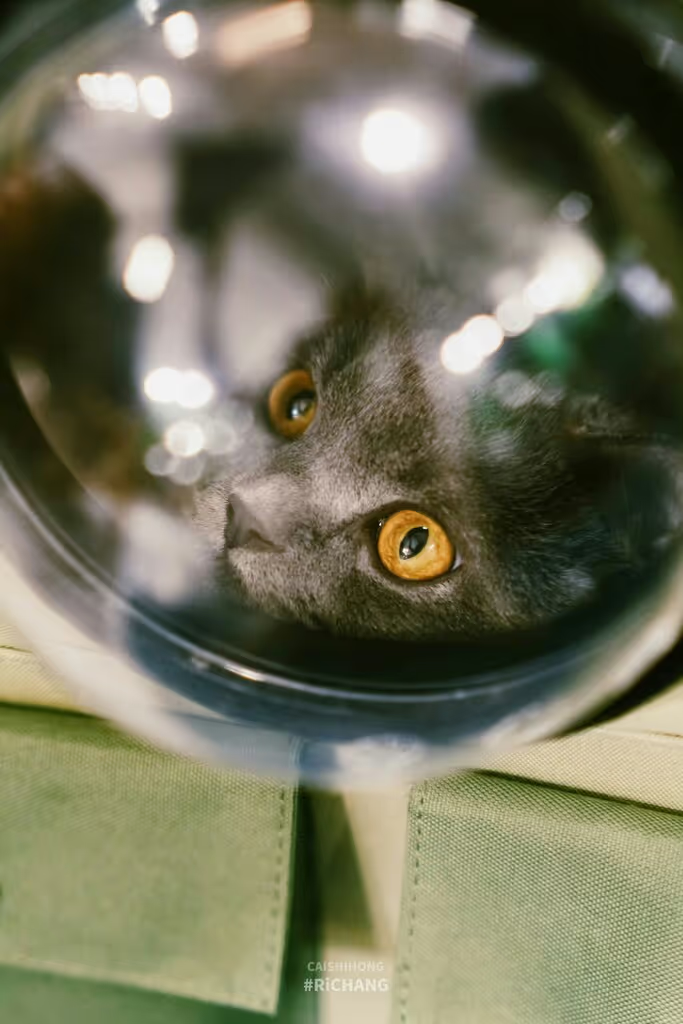
Yes, cats purr when they’re content. Just like humans smile when they’re happy.
But we also use this one expression to emote many different states (uncertainty, subservience, hysteria, etc.)
According to Dr. Lindsay Butzer DVM in her video Why Do Cats Purr, cats also purr when they’re:
I’ve personally seen cats purr while hiding under beds, during their owner’s first trip away, and even while being examined at the vet.
Purring isn’t just a way for kitties to express joy. It’s communicates excitement (good or bad) that says “I’m feeling something quite intensely.”
Cats are creatures of habit.
When something out of the ordinary happens, like a strange suitcase seemingly appearing out of thin air, a new sitter, unfamiliar scents — purring can act as a way to regulate their nervous system.
In cities like San Francisco, where many cat parents travel often, I see this constantly.
Your cat isn’t happy you’re leaving, silly. They're coping with the big emotions that come with change.
Not all purrs sound the same.
With experience, you start noticing:
It’s important to read the whole picture in order to pinpoint what your kitty is actually communicating.
Of course, many purrs do show bliss, especially when paired with:
One of my favorite moments as a sitter is when a previously shy cat begins to make biscuits and purr near me. It never happens because I asked for it, but because they finally decided to choose me.
That’s the purr that says, “I like you a lot.”
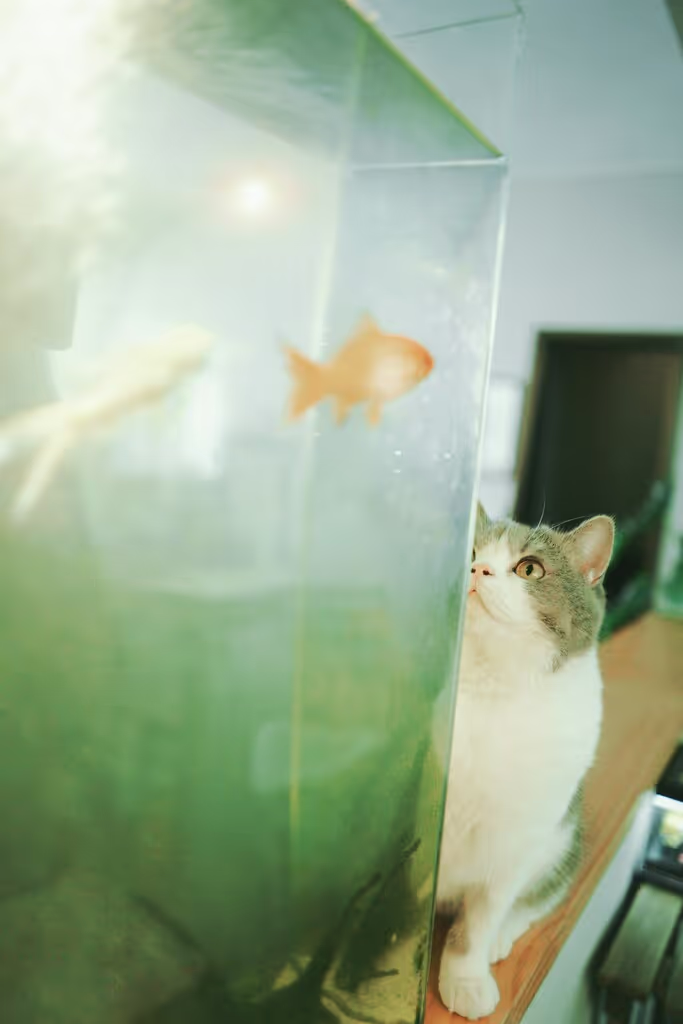
When you travel, your kitty can’t call you to share their thoughts and feelings. So your sitter becomes their translator.
Understanding purring helps a sitter:
All in all, learning kitty language is one of the most underrated skills in cat care and cat sitting. And purrs are a huge part of that language.
Final Thought
Your cat’s purr isn’t something they do to be cute. They’re communicating with you.
And when you and your sitter knows how to listen, your cat will actually be able to get the proper care they need — even when you’re thousands of miles away.

Why does my cat purr when I’m not petting them?
Cats often purr to self-soothe. If your cat is resting, adjusting to a new environment, or experiencing mild stress, purring can help regulate their nervous system.
Can purring mean my cat is stressed or anxious?
Yes. Cats may purr during stressful situations — including when their routine changes, when a new person enters the home, or when they’re trying to calm themselves.
Do cats purr when they’re sick?
Sometimes. Purring has been linked to healing and pain management. If purring is paired with changes in appetite, hiding, or lethargy, it’s worth monitoring closely or consulting a vet.
Why does my cat purr more when I’m traveling?
Your absence can disrupt routine. Cats may purr more with a sitter as a way to cope with unfamiliar energy, sounds, or smells — even if they seem calm.
Can an experienced cat sitter tell different types of purrs apart?
Yes. Seasoned cat sitters learn to interpret purring alongside body language, posture, and behavior, allowing them to distinguish between contentment and stress.
Questions?
Get in Touch
We're here to answer your questions and requests.


Service Areas
We’ll meet you right where you are in...
San Francisco
Oakland
Alameda
Daly City
San Jose







.avif)