By
Christene Kidd
4/2/26
•
5 min

A post of new kitten litters on Facebook. A tiny figure racing across the street. A neighbor mentioning “a pregnant stray” they just rescued.
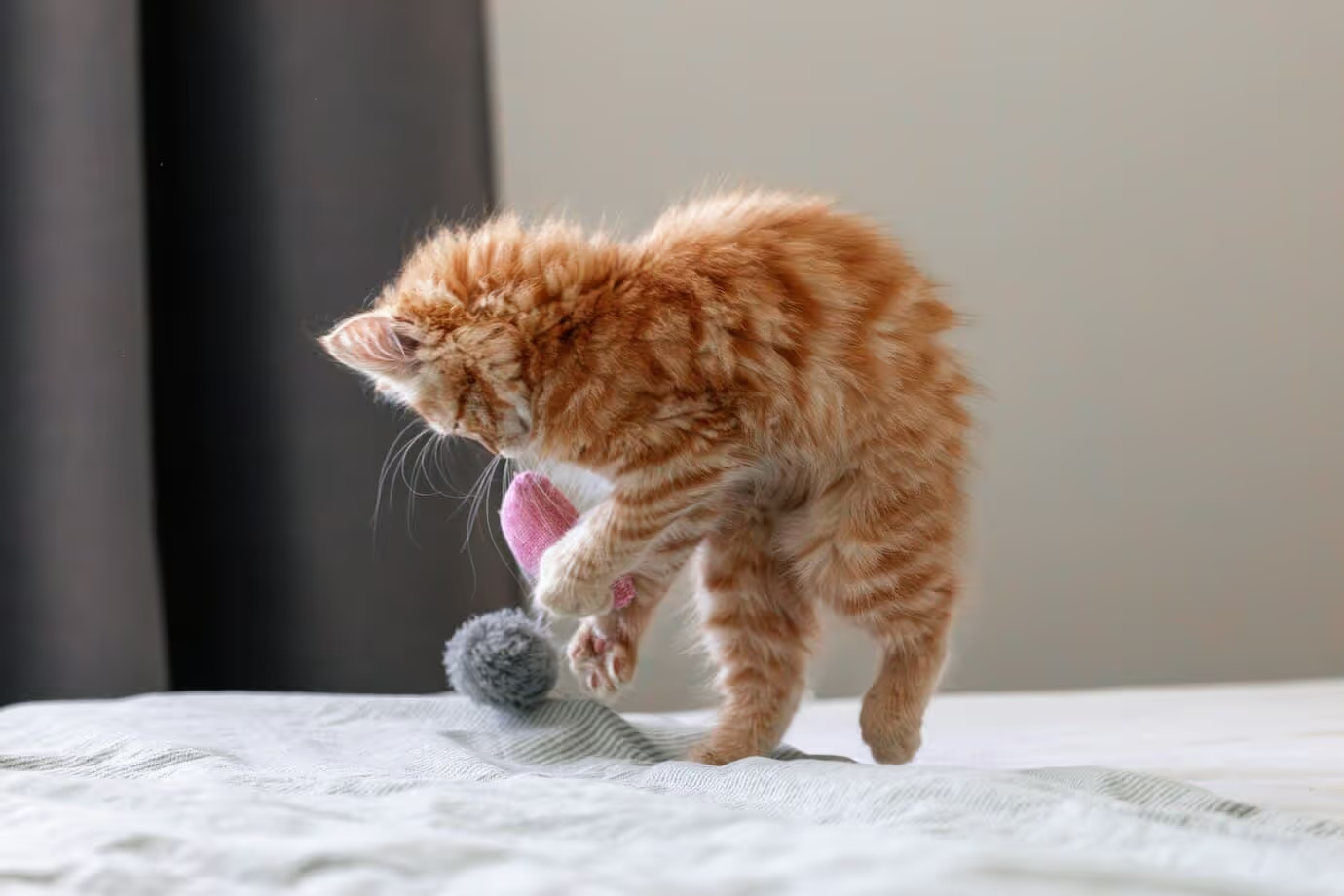
Kitten season has arrived. And it’s that time of year (spring through fall) when shelters flood with newborn litters faster than we can say “Aww cute!”
The season kicks off when warmer weather triggers reproductive cycles in future queens.
And because:
Each queen can create a generation of 100+ cats from spring to fall. So yeah… kitten season escalates quickly.
That’s why local shelters like the San Jose Animal Care & Services Center become overwhelmed during this time.
It’s overwhelming, and also the most impactful time to step in and help your kitty community.
So if you have extra love to give this season, here’s exactly how you can make a difference:

The main pain of kitten season is that there are more kittens than there are adopters. Fostering both helps relieve the sudden strain on resources kittens can have and ensures they're properly cared for while they wait for their forever home.
If you’ve ever wanted a cat but don't think you're ready, fostering is your answer.
Most orgs provide supplies, medical care, and training. You just have to bring the love and home.
If you’ve been considering adopting, this is one of the best times.
Adoption is wonderful, but it's a long-term promise.
So much goes into running rescues and shelters. And similarly, there are many ways your skills can make an impact.
First, research local rescue or shelter websites to review their volunteer programs.
Email and inquire about supporting in a way that works best with your schedule and expertise.
Many shelters rely heavily on volunteers to:
Look into into San Jose Animal San Francisco Animal Care and Control or even the San Francisco SPCA.
Even a few hours a week can directly impact how many kittens survive and get adopted.

There’s formula, medical treatments, spay/neuter surgeries and staff time that need to be multiplied across the thousands of new kittens that flood the Bay. Needless to say, kitten season is expensive. And orgs rely heavily on donations to keep up.
Even:
Before scooping them up, here’s what to do.
First, keep an eye out for the queen. And by queen, I mean mom cat. Typically, she'll be nearby hunting for food. Stick around and check. The rule of thumb is 24 hours.
If you haven't seen the mom around and the kittens are warm, clean and quiet...mom is likely caring for them. But if they're cold, crying and dirty... they may need intervention.
Contact a local shelter before doing anything as removing kittens too early can significantly reduce their chances of survival.
If you foster even one kitten, you free up space. If you adopt, you save a life. And if you donate, you support dozens of cats and humans alike.
Whatever you can do will be appreciated for years to come.
And if you need extra hands with sitting and routine grooming visits, email us and schedule a free meet n greet.
Typically March through October, peaking in spring and early summer.
It can be, especially with newborns. But shelters provide guidance, and older kittens are much easier to care for.
Yes. Kittens actually do well in small spaces.
Fostering is flexible and some programs offer short-term placements.
Questions?
Get in Touch
We're here to answer your questions and requests.


Service Areas
We’ll meet you right where you are in...
San Francisco
Oakland
Alameda
Daly City
San Jose







.avif)