By
Christene Kidd
11/1/26
•
10 min

The complete guide to choosing, sizing, and maintaining a litter box enclosure that doesn’t make your cat regret adopting you.
A litter box enclosure is the sort of purchase that has the power to either make your life ten times easier or a hundred times harder.
Best case scenario: your cat prefers it to the original box, it looks nice, matches the home decor, and helps with odor control.
Worst case scenario: a week after putting it together, your cat starts doing their business on the floor right beside it.
Litter box enclosures can be a great solution, especially in tiny apartments where the dining room, living room, and spare bedroom are all one space.
But the difference between an enclosure that works and one your kitty boycotts usually comes down to three things: space, ventilation, and cleaning.
If you get those right, you’ll have a happier cat and a better home.
Otherwise, you've purchased a problem that might, at best, make for pretty landfill.
A good enclosure can contain litter scatter, make the litter box less visually prominent, and give some cats a little extra privacy (which they actually enjoy, believe it or not.)
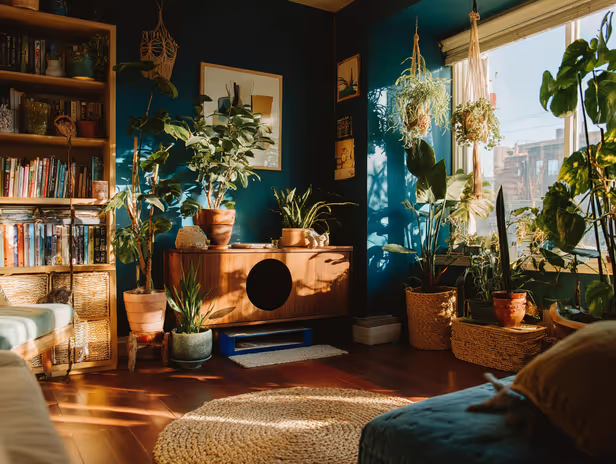
For those who don't have a spare room to dedicate to the litter box, a table that doubles as your kitty’s bathroom is definitely a practical compromise.
An enclosure definitely hides the litter box from view, but it doesn't magically make the smell go away.
In fact, a poorly ventilated enclosure can trap odors inside, creating an environment that pisses them off to the point that they decide to take their piss-ness elsewhere.
Also, with a cat's powerful sense of smell, getting an enclosure will also mean you need to be more diligent about cleaning. More on that below.
Cats need to be able to navigate their surroundings safely when using the litter box, particularly in households with more than one cat.
So if you have one cat likes to ambush another, a single-entry enclosure can leave the kitty inside with nowhere to go if their housemate decides to play bouncer at the entrance.
The fix?
Consider an enclosure with two entry points. Or skip it entirely.
Further, anxious kitties, senior kitties with mobility issues, and cats who have previously refused covered litter boxes may also struggle with an enclosed setup.
And if your cat has suddenly started avoiding the litter box, don't assume this one will solve the problem.
Changes in litter box habits can have medical or behavioral causes. Address those first, by consulting your veterinarian if the change is persistent or accompanied by other symptoms.
The bottom line: An enclosure should make life easier for your cat too. If they're uncomfortable, the aesthetics don't matter.
Furniture-style litter box enclosures are often designed to look good in a product listing, not necessarily to accommodate an actual cat.
The photos show a beautiful set up with a plant on top. But they don't show a full-grown cat trying to turn around inside a space somehow smaller than they are.
The goal is to give your cat enough room to enter, turn around, dig, cover their waste, and leave without bumping into the sides.
The recommended starting point is a litter box at least 1.5 times your cat's length, measured from the tip of the nose to the base of the tail. This guidance is attributed to the University of Illinois Veterinary Teaching Hospital.
Grab a measuring tape and measure your cat from the tip of their nose to the base of their tail.
Multiply that measurement by 1.5. This gives you the minimum target for the litter box's length.
The box has to fit inside with enough room for your cat to enter and move comfortably. So don't just rely on the exterior dimensions in the product listing.
Now, while your cat is sitting upright, measure your cat's height from the floor to the top of their head. This gives you the minimum target for the enclosure's height.
Now add about a 1" to the minimum target litter box length, the litter box width, and the minimum target litter box enclosure height. This is the smallest your enclosure should be.
And don't forget to check the entrance, too. A roomy interior doesn't help much if your cat has to squeeze through a pinhole to get in.
When in doubt, give your cat more room. You might be trying to save floor space, but it's more important that your cat has enough space to do their business comfortably.
An enclosure can look perfect and still become your worst nightmare once used every day. And poor ventilation is often the culprit.
Because without adequate airflow, odors will accumulate inside the enclosure. And when this happens, your cat may be less willing to use it.
Ventilation openings: Slots or panels on the sides or back can help air circulate.
Room around the enclosure: Avoid pushing it so tightly against a wall that you block any ventilation openings.
Accessible interiors: You should be able to open the enclosure and clean it without wrestling with the furniture.
Optional carbon filters: These may help manage odors in compatible designs, but they aren't a substitute for regular scooping and cleaning.
And remember: when the enclosure smells, start by checking the litter and maintaining a good cleaning routine.
Check whether the manufacturer provides guidance for improving ventilation. Modifying furniture can compromise its structure and safety, so drilling holes isn't always the move for every model.
A better first step may be to reposition it, leaving appropriate clearance around the enclosure's existing vents, or just replace it with a design that has better airflow.
This is definitely the least glamorous part of this operation. But if you want an enclosure to work well, you can't skip properly cleaning it.
Here's a practical starting routine.
Remove waste at least once a day. Depending on the number of cats, the type of litter, and how frequently the box is used, you may even need to scoop more often.
Pay attention to how quickly waste accumulates and whether odors are becoming noticeable. If you share your home with multiple kitties, the scooping frequency will (naturally) be greater.
Litter dust, tracked waste, and accidental spills can build up on the enclosure's floor and interior walls.
Avoid strongly scented products that may make the space unpleasant for your cat. And never mix cleaning chemicals. For example, wait for the enzymatic cleaner to dry completely before using general purpose cleaner.
How often you need to replace the litter and wash the box depends on the type of litter you're using, how many cats share the box, and the manufacturer's recommendations.
The University of Illinois Veterinary Teaching Hospital has recommended removing all litter and washing the box every one to four weeks before refilling it.
Follow the guidance appropriate for your litter, and use mild soap and warm water. Rinse thoroughly and let the box dry before refilling it.
If you can smell the enclosure as you walk past it, don't wait for the next scheduled cleaning.
Also watch your cat's behavior. Hesitating at the entrance, repeatedly going in and out without using the box, or suddenly eliminating elsewhere can all be signs that something isn't working.
Odor may be part of the problem, but it isn't the only possibility. Check the size, accessibility, litter type, and location. If you notice other symptoms appear, contact your veterinarian to rule out a medical issue.
The goal here is to maintain a clean, comfortable space that your cat will actually use.
Rather than removing the old litter box and expecting your cat to embrace the new arrangement overnight, give them time to investigate.
Place the new enclosure near the existing litter box, if space allows. Let your cat explore it without pressure. Keep the familiar box available so they aren't forced to use a setup they're unsure about.
If the enclosure has a door, remove it or leave it open during the introduction, provided the design allows you to do so safely. Your cat should be able to see and access the litter box without feeling trapped.
Avoid changing the litter type at the same time you're introducing new furniture. If your cat is accustomed to a particular unscented litter, keep using it while they adjust to the new arrangement.
Watch how they respond. Are they entering comfortably? Can they turn around? Are they using the box as usual? Give them time rather than rushing to remove the familiar alternative.
If your cat consistently avoids the enclosure, reassess the setup. The entrance may be awkward, the interior may be too small, or the enclosed space in general may simply not be to their liking.
The purpose of an enclosure is to make your home work better for everyone. It isn't a test of your cat's adaptability.
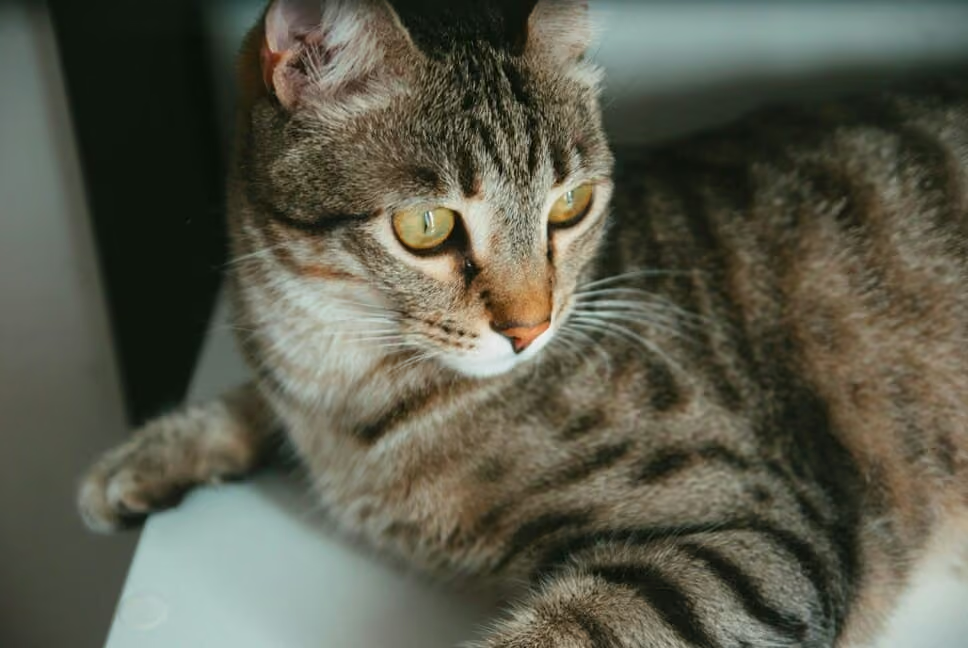
Not all enclosures solve the same problem. Some are designed to blend into your furniture; others prioritize litter containment or accessibility.
These are the main styles to know:
Best for: People who want to conceal the litter box while keeping it accessible.
These are the classic designs, with a side entrance and a cabinet-like exterior.
They can work well in small apartments, but interior dimensions are the biggest thing to check. Some models sacrifice too much usable space for a streamlined silhouette.
Shopping tip: Check the actual interior measurements, the entrance size, and whether you can easily remove the litter box for cleaning.
Best for: Cats who are comfortable jumping and households trying to reduce scatter.
With the entrance on top, these designs can help contain litter as cats climb in and out. They may also make it harder for dogs to reach the litter, if that's been a problem.
However, they're not suitable for every cat. Kittens, senior cats, and cats with mobility problems will struggle with the jump. And some cats simply don't like entering a box from above.
Shopping tip: Consider your cat's age, mobility, and preferences before purchasing this one. Less litter on the floor isn't worth making the litter box impossible to use.
Best for: Small homes where furniture needs to do double duty.
These enclosures are designed to function as a bench, side table, or other piece of furniture while concealing the litter box.
The trade-off is that the usable interior may be smaller than the exterior suggests.
Shopping tip: Measure the litter box first, then look for furniture that can accommodate it comfortably. Don't buy it and hope the litter box fits later.
Best for: People who want more control over the dimensions, layout, and/or budget.
An old cabinet or storage unit can be converted into a litter box enclosure. Depending on what you already own, this may offer more flexibility than a ready-made design.
You'll need to think through ventilation, a safe and appropriately sized entrance, easy cleaning access, and the durability of your materials. Any modifications should leave the furniture stable and free of sharp edges or other safety hazards.
Pro tip: Plan the design around your cat's needs first, then think about aesthetics.
Trying to figure out where to put a litter box in a small apartment? Check out our guide to hiding a litter box in a small apartment.
Here at Kristin's Kitty Care, we know that these little things make a big difference. Our cat sitting visits include litter box scooping and care, so your kitty can stick to their routine in the comfort of their home while you're away.
They can be, provided the enclosure is appropriately sized, well ventilated, accessible, and kept clean. Some cats enjoy the added privacy; others prefer an open litter box. Your cat's comfort and litter box habits should guide the decision.
A commonly recommended starting point is a litter box at least 1.5 times your cat's length, measured from nose to the base of the tail. The enclosure must be large enough to accommodate that box while allowing your cat to enter, turn around, and leave comfortably.
Scoop at least daily, and more often if needed. Clean the enclosure's interior regularly—weekly is a useful starting point—and wash and refill the litter box according to the needs of your litter and household. If odors build up, adjust the routine rather than relying on air fresheners or filters.
Several things could be going on: the space may be too small, the entrance may be uncomfortable, the enclosure may trap odors, or your cat may simply dislike covered boxes. Introduce the enclosure gradually and keep the familiar litter box available during the transition. If your cat suddenly stops using the litter box, consult your veterinarian to rule out medical causes.
Possibly, but consider how your cats interact. An enclosure with a single entrance can make it difficult for one cat to avoid another. If there's tension between your cats, provide accessible alternatives and consider placing open boxes in separate locations. Multiple cats also generally need multiple litter boxes.
Oftentimes, yes. Enclosures can reduce how much litter ends up on the surrounding floor, especially when paired with a suitable litter mat. Top-entry designs may reduce scatter further, but they're not right for every cat. Choose a setup your cat can use comfortably.
A litter box enclosure can be a good addition to your home. It can help contain scatter, keep the litter box out of sight, and make a small apartment feel a little more like home.
But the best enclosure isn't necessarily the prettiest one.
It's the one your cat can comfortably use and that you can realistically keep clean.
Measure before you buy. Prioritize ventilation. Stay on top of cleaning. And if your cat decides your beautiful enclosure is not for them, put it up for sale on Marketplace. One kitty's trash is another kitty's treasured toilet.
Questions?
Get in Touch
We're here to answer your questions and requests.


Service Areas
We’ll meet you right where you are in...
San Francisco
Oakland
Alameda
Daly City
San Jose